Moving house involves a lot of moving parts, and the days that go well are almost always the ones with a clear plan behind them. This guide gives you a straightforward timeline from the evening before through to the final check of an empty property, so you know what to do, when to do it, and what not to forget. The Bros have run over 10,000 moves out of Brighton since 2013. The patterns that cause people grief on moving day are consistent, and most of them are avoidable with a bit of structure in advance.
Do not leave preparation to moving morning. The evening before is where the day is won or lost.
Pack your essentials box and keep it with you, not on the van. This box needs: medication, phone and laptop chargers, toiletries, a change of clothes, the documents you will need on the day (ID, completion paperwork, new property keys if already collected), a kettle, tea bags, and a couple of mugs. If you have young children or pets, pack a separate bag for them too.
Finish any laundry still in the machine. Take out the bins. Do a last check of the fridge and clear anything you are not taking. Defrost the freezer if it is going with you and you have not done it yet.
Confirm your completion timing. Call your solicitor or conveyancer if you have not received a confirmed time. Knowing whether completion is likely to be 12pm or 3pm changes how the whole day is sequenced. An unanswered question the night before becomes a stressful phone call in the morning.
Protect floors and doorways now rather than on moving day. Lay cardboard or floor runners at the entrance and along the main loading route inside. It saves carpets and speeds up the loading phase.
Eat breakfast. It sounds obvious, but a lot of people start moving day on an empty stomach and hit a wall before the van is loaded.
Pets and children: arrange for them to be somewhere safe and out of the way before the team arrives. A crew moving furniture through a property with a dog underfoot or a toddler at the bottom of the stairs is slower, less safe, and more stressful for everyone. If you cannot send them somewhere, put them in a closed room with everything they need.
Check parking and access. If you arranged a parking bay suspension, check the bays are actually clear. If you parked your own car there overnight as a placeholder, move it now to create space for the van. If access is likely to be tight, stand outside and check before the crew arrives so you can brief them clearly on arrival.
For Brighton and Hove moves specifically, parking is often the thing that throws the schedule. For a full guide to managing van access in the city, see our parking for removals in Brighton and Hove guide once published.
Set aside "do not load" items. Put valuables, passports, documents, medication, and anything irreplaceable in your car or in one clearly marked area separate from the rest. Tell the crew what is not going on the van and where it is sitting.
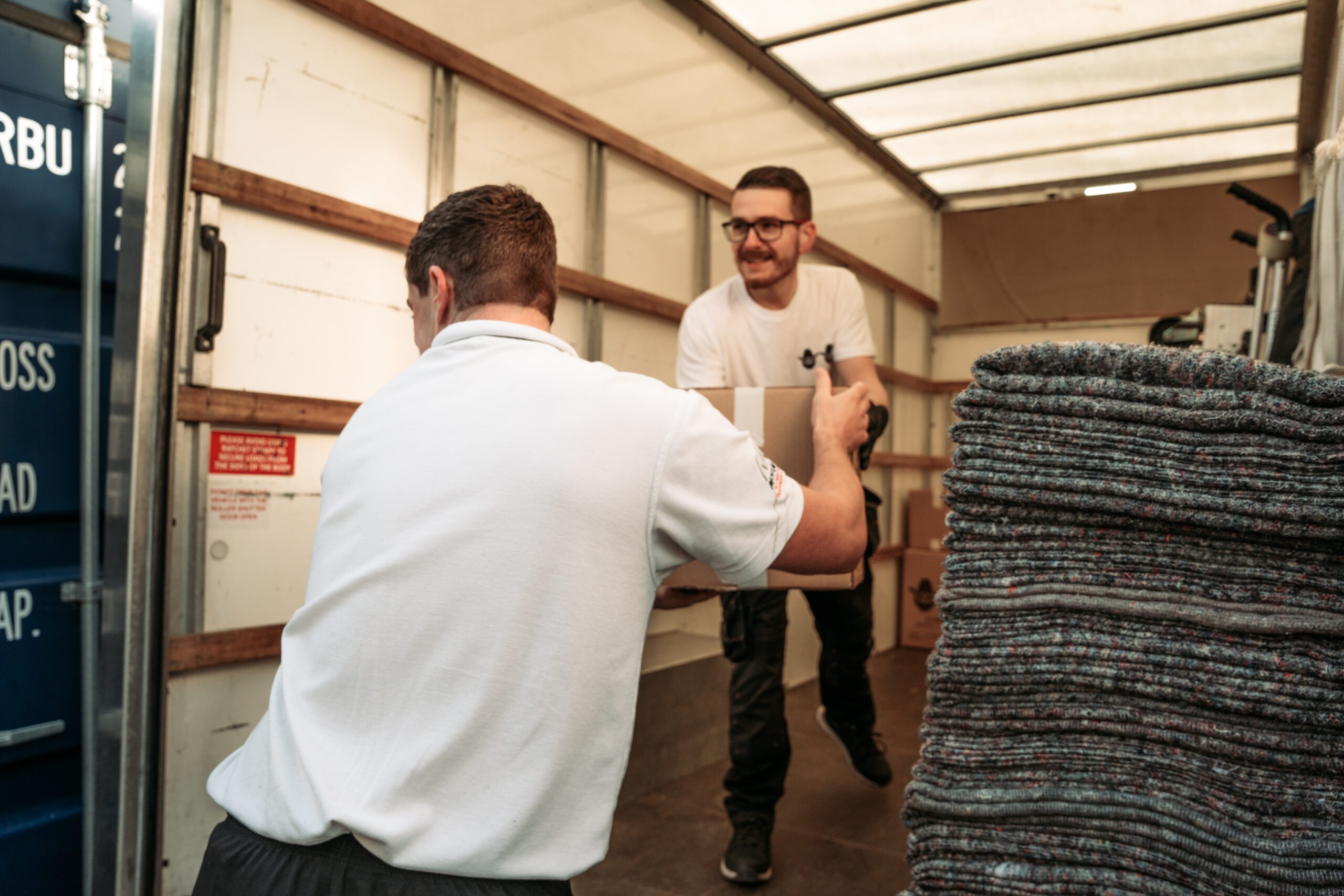
When the team arrives, do a quick walk-through before anything moves. Five minutes at the start saves thirty minutes of unpicking things later. Point out: the items going first (usually the largest and most awkward), anything fragile, anything already dismantled, and any access quirks they should know about (tight staircase, low ceiling on a turn, a door that needs propping open).
Labelled boxes make loading and unloading faster. If you have labelled each box with its destination room, the team loads in a logical order and drops boxes directly into the right rooms at the other end. If you have a floor plan of your new property, even a rough sketch, hand it to the foreman at the start.
Take photos. Walk through the property with your phone and photograph the condition of walls, floors, and fixtures before the team starts moving things out. This is your record if there is a deposit dispute or any question about the state of the property when you left.
One decision-maker. If you are moving with a partner or family, agree beforehand who the single point of contact is for the removal crew. Mixed instructions slow the job down and put the crew in an awkward position.
This is the window where completion day reality lands. Property chains usually complete between 12pm and 3pm, though this can stretch. Your solicitor calls when funds have cleared and you can collect the keys from the estate agent. Heavy items like books pack best in a small moving box for books, keeping weight manageable and boxes easy to carry.
Be realistic about this window. Waiting is normal. The van may be loaded and ready while you are on the phone to your solicitor. The crew will usually wait nearby rather than sitting outside the new address without access. Keep your solicitor's number in your hand and stay reachable.
If completion is delayed, call your removal company immediately. They can hold position, arrange short-term storage, or help rebook depending on how far the date has shifted. The earlier you tell them, the more options stay open. For a full breakdown of what to do when moving dates change, see our guide to completion delays and storage between moves.
Before anything comes off the van at the new property, walk the team through it. Confirm where each room is, agree the room plan, and show them where large furniture should land. This takes three minutes and prevents the wardrobe going into the wrong bedroom and needing to come back out.
Beds first, always. Get bed frames and mattresses in during the first half of unloading and build the beds while the rest of the van is coming in. If you get to the end of the day and the beds are not assembled, everything feels harder.
The essentials box comes in with the first load. Get it into the kitchen and put the kettle on as soon as you can reach it. It sounds small but it matters.
Check fragile items as they come off the van. If anything is damaged, note it and speak to the crew before they leave. A professional removal company expects this conversation and will handle it without issue.
Before you hand over the keys at your old property, do a full sweep. This is the check most people wish they had done.
Meter readings. Photograph the gas, electricity, and water meters at both properties. Do it before you leave the old address and as soon as you arrive at the new one. Your energy supplier will ask for them.
Every space. Loft, garage, garden shed, under the stairs, built-in cupboards, any outbuilding. Lofts are the single most commonly forgotten area. If you loaded things up there gradually over the years, it is easy to miss.
Room-by-room walk. Go through the empty property with the lights on. Check behind doors, under radiators, inside fitted wardrobes, and inside any built-in storage. You will nearly always find something.
Photos of the empty property. Essential if you are renting and want a clean basis for your deposit return.
Keys. Return all sets: post box key, garage key, meter cupboard key, outbuilding keys, any extras the estate agent will need.
Tonight, focus on three things: beds made, bathroom functional, and something to eat. Do not try to finish all the unpacking in the first evening.
Recommended unpacking order: bedrooms, bathroom, kitchen basics. Leave everything else for the first week.
Address changes in the first week:
If you want a Brighton-based team that plans the access in advance, knows the city's parking quirks, and works methodically rather than in a hurry, get a quote from the Bros.
Call 01273 917898 or fill in the form and the team will come back to you quickly.
For the full removals service: House and Flat Removals Brighton
What time should movers arrive on moving day?
Most removal jobs start between 8am and 9am. If you have a completion day move, the team usually arrives early to pack and load, then waits near the new property for key release. Speak to your removal company about the expected timeline based on your property size. Starting earlier gives you more buffer if anything takes longer than planned.
What should I pack in an essentials box?
Pack anything you will need on moving day and the first night: medication, phone and laptop chargers, toiletries, a change of clothes, documents you need on the day (ID, completion paperwork, new property keys if collected), tea, coffee, a kettle, and a couple of mugs. Keep this box in your car or with you, not on the removal van.
What should I do if completion is delayed?
Call your removal company as soon as you know. A professional team will advise whether to hold position, arrange short-term storage, or rebook, depending on how far the date has slipped. The earlier you contact them, the more options stay open. For a full guide to managing delays, see what to do when completion is delayed.
Should I be fully packed before movers arrive?
Yes. For a standard removal, the team expects to arrive at a property that is packed and ready to load. If you need help packing, add a packing service to your quote before the day. Turning up to an unpacked property extends the job time and usually increases the cost.
How long does moving day usually take?
A one-bed flat in Brighton typically takes three to five hours from start to finish. A three-bed house is usually a full day. A large four or five-bed home, or any move involving storage, a piano, or difficult access, may need two days. Your removal company should give you a realistic time estimate when they survey or assess the job.
What are the most commonly forgotten moving day tasks?
The ones the Bros see most often: meter readings at both properties, checking the loft, items left in the garage or garden shed, forgetting door codes for communal entrances at the new address, and not having an essentials box packed separately. Add them to your checklist now.