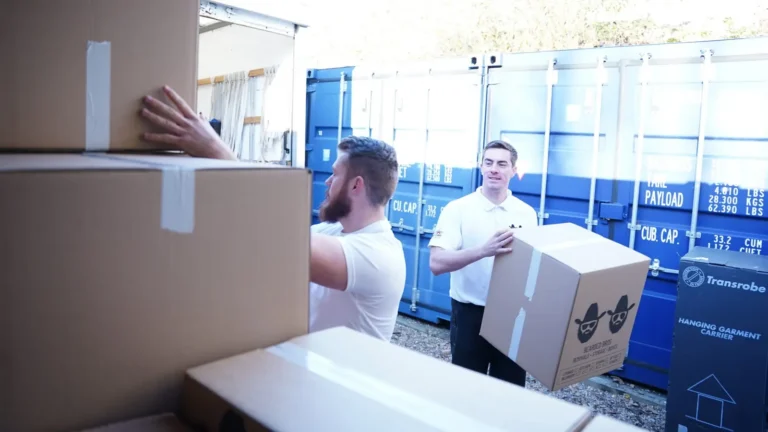
Packing fragile items for a move is the part most people get wrong - not because it's complicated, but because the shortcuts that feel fine at home tend to fail inside a moving van. This guide covers plates, glasses, TVs, mirrors, and anything else that won't forgive a bump on a Brighton back road. The Bros have packed and moved more than 10,000 homes since 2013, so the advice below comes from what actually breaks in transit - and what doesn't.
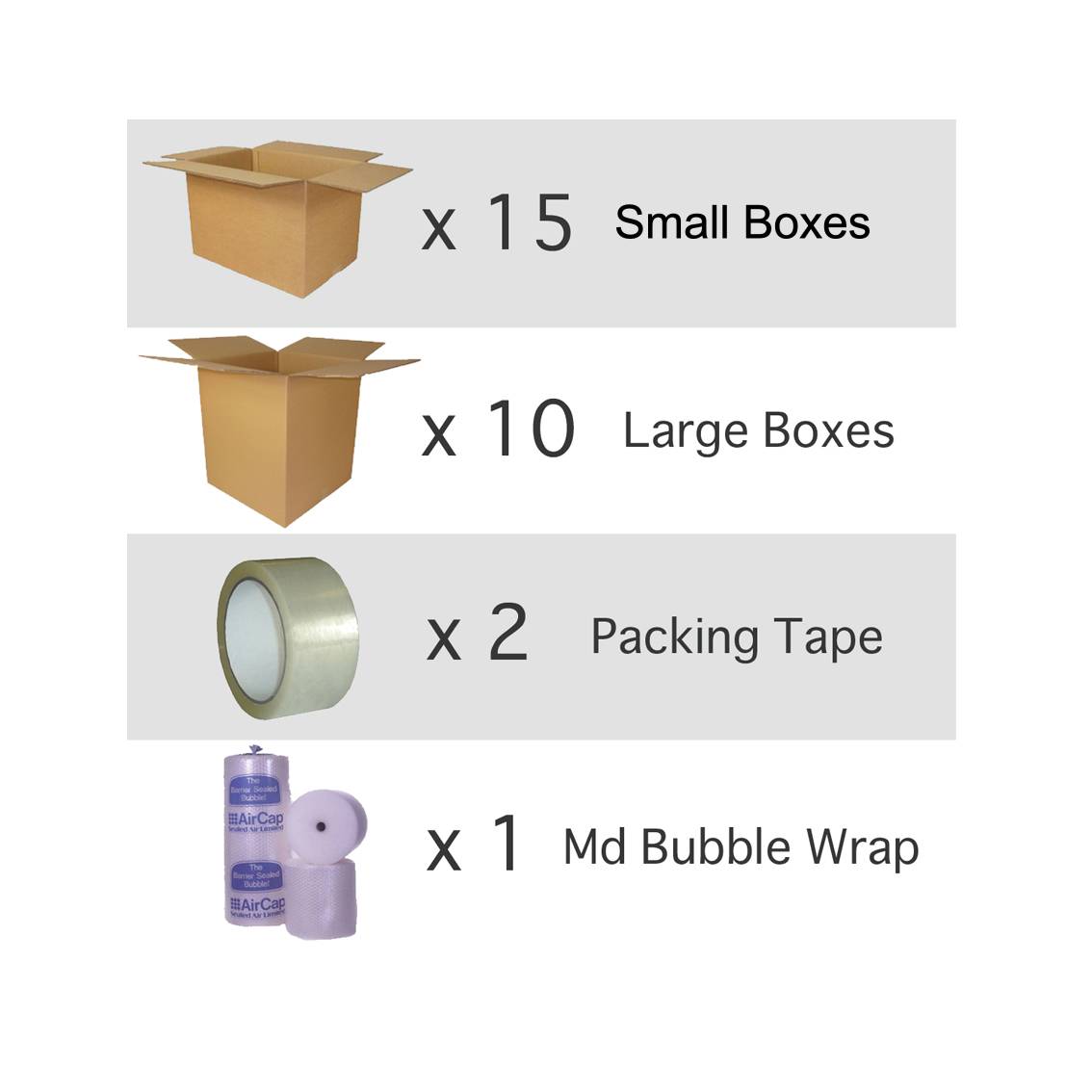
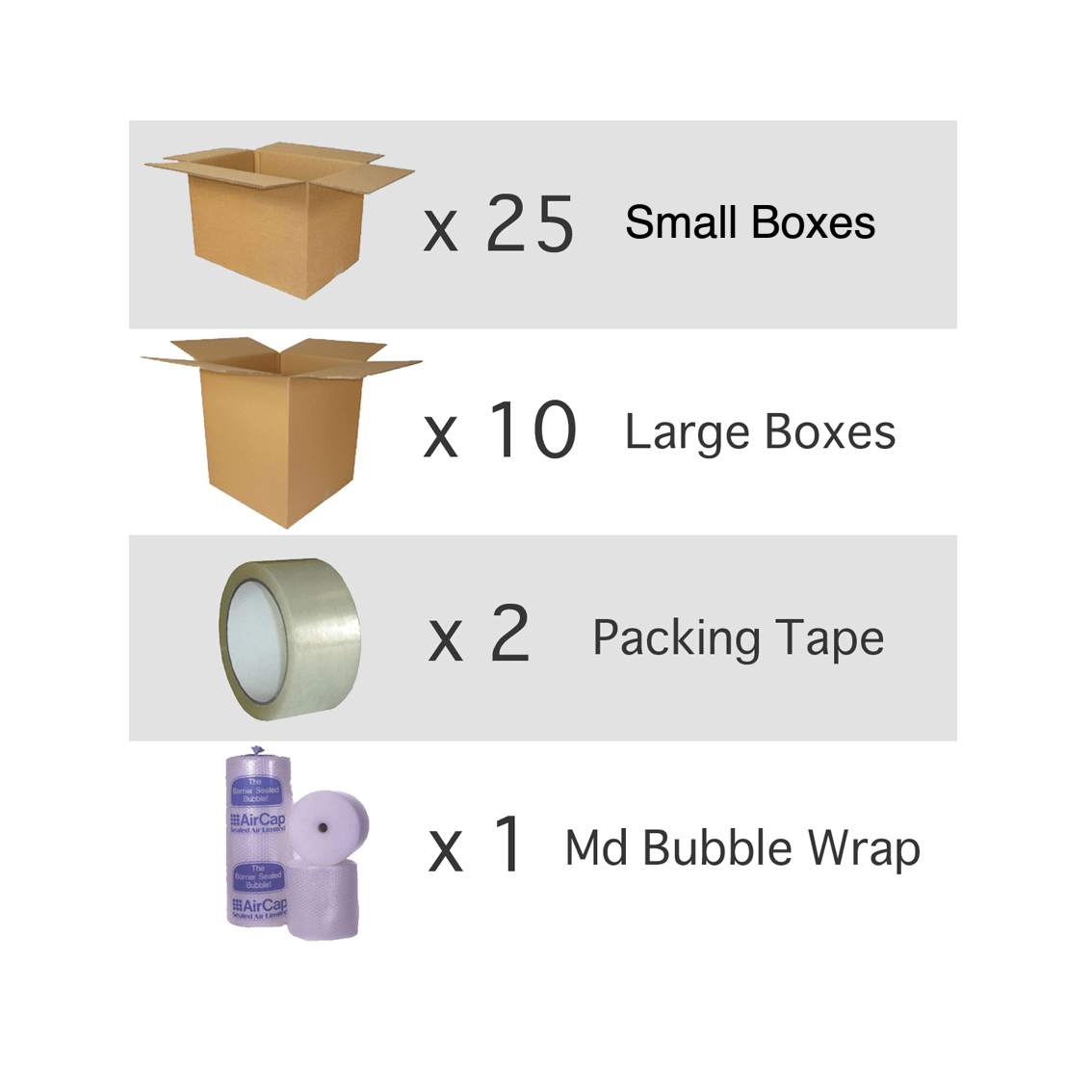
Gathering the right materials before you open a single cupboard saves a lot of time and a lot of anxiety. The basics for packing fragile items are:
All of the above are available from our box shop at beardedbros.co.uk, including reusable plastic crates as a sustainable alternative for items that can handle a rigid container rather than soft wrapping. Not sure how many boxes to buy in the first place? Our guide on how many boxes you need gives estimates by property size.
| Item type | Recommended box | Wrap needed |
| Plates and bowls | Dish pack (double-walled) | 2 sheets packing paper per item |
| Glasses and mugs | Medium box, cell dividers | 1 sheet packing paper per item |
| TV (up to 55") | Original box or flat-screen box | Bubble wrap + foam corners |
| Mirrors and frames | Mirror box or wardrobe box | Foam corners + bubble wrap layer |
| Ornaments and figurines | Small to medium box | Full bubble wrap wrap |
Plates survive transport best when they travel on their edge, not flat. Flat stacking multiplies the pressure on every plate below - one bump and the stack concertinas. Packing them vertically, like records in a crate, distributes impact across the rim rather than the face.
For each plate: lay two sheets of packing paper flat, place the plate in the centre, fold the corners in, then roll the plate forward to tuck the paper tight. Wrap a second sheet around the bundle and tape it closed. Pack the first layer in the bottom of a dish pack, rims down, and fill every gap with crumpled paper before adding the next layer. Never exceed three layers in a single box - dish packs are heavy enough without going further.
Label the box FRAGILE on all four sides and on the top. Then write PLATES - THIS WAY UP with an arrow. Both labels matter: fragile tells the crew to handle with care; the orientation arrow tells them which end takes the load.
Glasses are the most common casualty of a poorly packed kitchen box - usually because they've been wrapped in a single sheet of paper and dropped into a box with dead air around them. The stem of a wine glass and the rim of a tumbler need contact wrapping, not just a loose sleeve.
For each glass: stand it on a corner of packing paper, roll it diagonally to the opposite corner, then tuck the ends in and tape. For stemmed glasses, wrap the stem separately with a second strip before rolling the bowl. Pack glasses upright in a box lined with 5cm of crumpled paper. Cell dividers (cardboard inserts that create individual compartments) make a significant difference - they eliminate the glass-to-glass contact that causes chips. Fill the top of the box with crumpled paper until there is no movement when you close and gently shake the lid.
Use smaller boxes for glassware. A full-sized removal box loaded with glasses becomes difficult to carry safely and puts too much weight on the bottom layer.
If you still have the original box, use it - it was shaped for that exact screen and includes foam inserts no generic box replicates. If not, a flat-screen TV box - available in a range of sizes - is the right call.
Before boxing:
TVs travel upright, never flat. A screen laid flat has no structural support and the panel can crack under its own weight over a long journey. If the box has a THIS SIDE UP indicator, follow it.
Mirrors and large picture frames need corner protection and a rigid outer container. Foam corner protectors fit over each corner of the frame, then the whole piece gets a layer of bubble wrap held in place with tape. For mirrors up to roughly 80cm in any dimension, a mirror box works well - these are telescoping boxes that adjust to the size of the piece.
For larger mirrors or full-length pieces, a wardrobe box (used horizontally) or purpose-made flat-pack crate is a better option. Stand the mirror on edge inside the box, never flat, and pack crumpled paper along both faces to prevent movement.
Mark the box FRAGILE and GLASS on all sides. Our crews at Bearded Bros removals Brighton load mirrors last and unload them first, standing them against a wall rather than laying them down at any point during the job.
Run through this before the van arrives:
When the full professional packing service is booked, the crew packs to a room-by-room inventory. Each box is logged, weighted, and labelled before it leaves the property. Fragile items get double-walled boxes as standard, and the team works from the kitchen outward - the most breakage-prone room first, when the packers are fresh and the van is empty.
Tom has been running the operations side of Bearded Bros since 2014, and the packing methodology the team uses today reflects more than a decade of working out what actually survives the journey. The Bros have packed everything from single-item moves to full five-bedroom family homes.
If you'd rather pack yourself and just need the materials, the Bearded Bros box shop stocks dish packs, cell-divided glass boxes, mirror boxes, bubble wrap, and reusable plastic crates for collection or delivery across Brighton and Hove.
Pack plates vertically (on their edge) in a double-walled dish pack, with two sheets of packing paper wrapped around each plate individually. Fill every gap with crumpled paper so nothing can shift. Three layers maximum per box, and label the box with both FRAGILE and a THIS WAY UP arrow.
Wrap each glass individually in a full sheet of packing paper, rolling from corner to corner and tucking the ends in. Pack glasses upright, not on their sides, in a small box with cell dividers between each one. Fill the top of the box with crumpled paper until there is no movement. Smaller boxes are safer - do not fill a large box with glasses.
Use the original box if you have it. If not, buy a flat-screen TV box sized for your screen. Remove all cables, wrap the screen in bubble wrap, fit foam corner protectors, and box it upright. TVs should never travel flat - the panel can crack under its own weight over longer distances.
Fit foam corner protectors on every corner of the frame, wrap the mirror in bubble wrap, and slide it into a mirror box or a wardrobe box used horizontally. Pack paper along both faces to stop movement. Stand the mirror on its edge inside the box - never flat. Label all sides with FRAGILE and GLASS.
If you'd like the Bros to handle the fragile items - or the whole pack - get a removals quote and we'll come back with clear pricing, usually within a day. You can also request a video survey if you'd rather not wait for an in-person visit.
For DIY packers: everything on the checklist above is available from our box shop. Call 01273 917898 or drop a message to info@beardedbros.co.uk if you're not sure which box size fits your move.